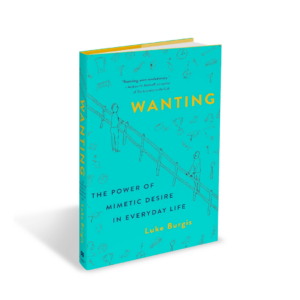
Are the goals you are pursuing truly your own?
That question is at the heart of Luke Burgis’ book, Wanting: The Power of Mimetic Desire in Everyday Life, a thoughtful and practical read about why we want what wewant. Burgis writes, “Each of us spends every moment of our life, from the moment we’re born to the moment we die, wanting something.” The deeper question is whether those wants are leading us toward a life of intention or quietly pulling us into a life by default.
Burgis explores topics based around the work of René Girard, a French-born philosopher, literary critic, and scholar whose theory of mimetic desire explored how human beings often learn what to want by observing the desires of others. In simple terms, mimetic desire means we often want what we see others wanting.
This does not mean every desire influenced by others is wrong. Many of our best desires are awakened through good examples. We may see someone live generously and become more generous ourselves. We may watch a friend prioritize health, family, faith, adventure, or service and feel inspired to do the same. But when left unexamined, mimetic desire can take us places we do not actually want to go. We may chase accumulation instead of freedom, busyness instead of purpose, or comparison instead of contentment.
Why I Enjoyed It…
A financial plan should support meaning. If your goals are shaped by mimesis, your financial plan may unintentionally support desires that are not truly yours. But when your desires are examined and clarified, your plan can become a tool for alignment. Your resources, time, energy, and decisions can begin supporting the life you actually want to build.
This is why the Life By Design approach starts with your life goals, not just your numbers. Our planning process is built around aligning life goals with financial planning goals and this book illustrates the importance of that concept.
How to Apply This in Your Life…
This book draws our attention to how we move through the world and our time on earth based on our desires and how it is that we come to want what we want. Through effort and consciousness we can learn to cut through mental clutter and distractions to find or remember what we truly want out of life. Here are a few ways you can get started, today.